Create a Defensible Space Around Your Rural Home
Living in a rural home brings immense joy and a deep connection to nature. We cherish the peace and quiet away from city life. But this beautiful setting also comes with unique responsibilities, especially when it comes to safeguarding our property from natural threats. Wildfires are a real concern in many rural areas and they demand proactive measures.
I have spent years understanding how to best protect homes situated near forests or vast undeveloped lands. I know that simply having a home in a remote area is not enough. We must actively shape the environment around our houses to reduce fire risk. This is where the concept of defensible space becomes absolutely crucial for every homeowner.
Creating a defensible space around your rural home is not just about clearing brush. It is a thoughtful, layered approach that dramatically increases your property’s chances of surviving a wildfire. It means reducing the amount of flammable material close to your house and managing vegetation further out. This helps slow a fire’s spread and gives firefighters a safer area to work.
Understanding Defensible Space Zones for Home Safety
When we talk about defensible space, we are really talking about creating distinct zones around your home. Each zone has specific requirements for vegetation management. I always tell people that thinking in zones makes the task less overwhelming and more effective. It is not a one-size-fits-all solution, but a strategic layering of protection.
These zones are designed to slow a wildfire as it approaches your home. They also help keep flames and embers away from your house. We want to reduce the fuel available for a fire and interrupt its path. This method has proven incredibly successful in countless real-world wildfire situations.
Zone 1: The Immediate Zone (0-5 feet)
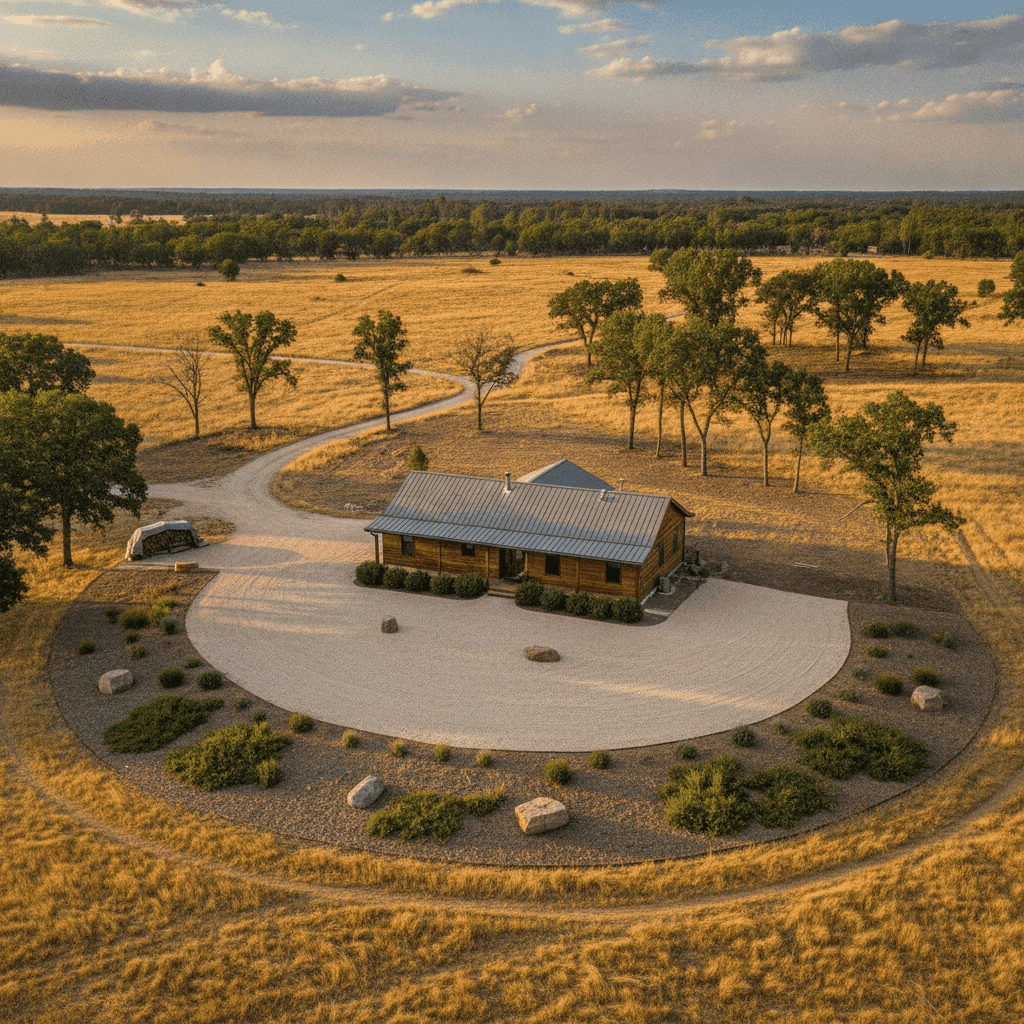
This is the most critical area and I call it the “ember-free” zone. The five feet directly around your house must be kept completely free of anything that can easily burn. This includes plants, mulch, firewood piles, and even outdoor furniture made of flammable materials. Embers can travel great distances and ignite things right next to your home.
We use non-combustible materials like concrete, gravel, or pavers in this zone. Small, carefully maintained, fire-resistant plants can be used sparingly if they are not directly against the house. I always make sure to clear dead leaves and pine needles from this area constantly. This small strip of land is truly your last line of defense.
Zone 2: The Intermediate Zone (5-30 feet)
Moving outward, this zone requires a different approach. Here, we aim to reduce the intensity of a fire. It is important to remove highly flammable vegetation. We replace it with fire-resistant plants that are well-spaced and regularly maintained. We also break up continuous fuels that could carry a fire to your house.
I recommend keeping grasses mowed to a height of four inches or less in this zone. Shrubs should be small and spaced far apart. We prune lower branches of trees to at least six to ten feet from the ground. This helps prevent ground fires from climbing into the tree canopy. We call this “ladder fuel” reduction.
Zone 3: The Extended Zone (30-100+ feet)
This outermost zone focuses on reducing the spread and intensity of a fire that might approach from further away. While not as critical as the inner zones, it still plays a vital role. We thin out dense stands of trees and shrubs in this area. We also remove dead or dying vegetation that could act as fuel.
Here, we maintain good spacing between trees and between tree canopies and shrubs. This creates gaps that can slow fire progression. We also remove any “dead and down” woody material. My experience shows that keeping this zone healthy and managed helps protect the entire property. It is about creating a buffer that slows the fire down long before it reaches your inner defenses.
Essential Landscaping Practices for Fire Safety
Landscaping is not just about aesthetics in a rural setting. It is a powerful tool for wildfire mitigation. I find that many homeowners overlook how much their plant choices and garden design can impact fire risk. Thoughtful landscaping makes your home both beautiful and safe.
We want to use plants that naturally resist burning. We also need to arrange them in a way that minimizes fire spread. This approach integrates fire safety directly into your property’s design. It takes careful planning and consistent work.
Choosing Fire-Resistant Plants
Selecting the right plants for your landscape is a game-changer. I always look for plants that have high moisture content. These plants tend to have supple leaves and minimal dead material. They are much less likely to ignite and burn intensely.
Some plants are naturally more fire-resistant. Deciduous trees like aspens and maples are good choices because they shed leaves in the fall. Many succulents and certain native plants also have good fire-resistant qualities. Avoid plants that produce a lot of sap or resin because these are often highly flammable. We check local recommendations for fire-safe plant lists specific to our region.
Strategic Plant Placement
How you arrange your plants matters as much as the plants themselves. We avoid planting in dense clusters that could create a continuous fuel path. Instead, we use islands of vegetation separated by non-combustible areas like lawns or gravel paths.
I always make sure to break up continuous rows of shrubs or trees. This compartmentalizes the landscape. If one area ignites, the fire will have trouble spreading to the next. We also consider the size plants will reach when mature. So we make sure they maintain adequate spacing even after several years of growth.
Maintaining Your Defensible Space Effectively
Creating a defensible space is not a one-time project. It requires ongoing commitment and regular maintenance. I often compare it to maintaining a car because you cannot just fill it with gas once and expect it to run forever. We need to continuously monitor and adjust our efforts to keep our homes safe.
Neglecting maintenance means your defensible space can quickly become ineffective. This is especially true after seasons of heavy growth or periods of drought. Consistency is key for long-term protection against wildfires.
Regular Clearing and Debris Removal
Fires love fuel, and dead vegetation is prime fuel. I always prioritize removing dead leaves, pine needles, and other plant debris from around the house and in all defensible space zones. This material can easily ignite from a spark or ember.
We also keep gutters clear of leaves and pine needles. These can become ember traps. Firewood piles must be stored at least 30 feet from the house. Any fallen branches or dead shrubs should be removed promptly. A clean property is a safer property.
Pruning and Trimming Strategies
Proper pruning is essential for fire safety. We trim tree branches that hang over the roof or extend too close to the house. I make sure there is at least a 10-foot clearance between tree canopies. We also prune lower tree branches to remove “ladder fuels”.
Shrubs should be trimmed to reduce their overall volume and keep them away from the house structure. We also check that they are not directly under tree canopies. This helps prevent fire from climbing from ground fuels into the trees. Regular trimming helps maintain the health of the plants too.
Structural Hardening for Increased Protection
Beyond the landscape, the physical structure of your home itself plays a critical role in wildfire defense. Even with a perfect defensible space, embers can still threaten your house. These small, burning fragments can travel for miles. They often land on vulnerable spots of your home. So we must prepare for this.
I believe hardening your home means using fire-resistant materials and sealing off common entry points for embers. This comprehensive strategy ensures that both your property and your structure are well-prepared for a wildfire event. It is about closing off every weakness.
Roof and Gutter Maintenance
The roof is often the most vulnerable part of a home during a wildfire. Embers can easily land on a combustible roof. So we must choose fire-resistant roofing materials like tile, metal, or composition shingles. If your roof is older, keeping it clean is even more important.
I make sure to regularly clean gutters and remove any accumulated leaves or debris. These materials can easily ignite. We also install gutter guards to help prevent buildup. Any gaps or openings in the roofline should be sealed to keep embers out.
Vents and Eaves Protection
Vents in attics, foundations, and eaves are common entry points for embers. We replace standard mesh screens with fine mesh screening (1/8 inch or smaller). This keeps embers out while allowing proper ventilation. We must check all vents carefully.
Open eaves or exposed rafters can also catch embers. We often enclose these areas with fire-resistant materials. This minimizes direct flame contact and ember entry. I find that even small details like these make a significant difference in a wildfire.
Creating an Emergency Action Plan for Your Family
Even with the best defensible space, a wildfire can still pose a serious threat. That is why having a well-thought-out emergency action plan is absolutely essential for every rural homeowner. I always tell families that preparedness is just as important as prevention. It means knowing what to do and where to go when danger strikes.
A good plan includes clear instructions for every member of the household. We need to practice it often. This reduces panic and helps everyone act quickly and safely during a real emergency. It is about being ready for the worst-case scenario.
Evacuation Routes and Meeting Points
We must identify at least two evacuation routes from your home. This is important because one route might become blocked by fire or other hazards. I make sure everyone in my family knows these routes. We also establish a safe meeting point outside your immediate area.
This meeting point should be easily accessible and known to all family members. It is a place where you can regroup if separated. We keep car fuel tanks at least half full during fire season. This ensures you can evacuate quickly without worrying about gas.
Emergency Supply Kits
Preparing an emergency supply kit is a non-negotiable step. This kit should contain enough supplies for at least three days. It includes water, non-perishable food, a first-aid kit, and any necessary medications. I also include copies of important documents like insurance policies and identification.
We have flashlights, extra batteries, a crank radio, and chargers for phones. A change of clothes and sturdy shoes are also important. We store these kits in an easily accessible location. My family regularly checks and updates our kit to ensure everything is current and ready to go.
Final Thoughts on Protecting Your Rural Home
Creating a defensible space around your rural home is a continuous effort and a clear investment in your safety. I have seen firsthand how these simple, practical steps can make all the difference when a wildfire threatens. It means understanding the unique risks that come with living in a beautiful, natural environment and taking proactive measures. From managing vegetation right up against your house to hardening the structure itself, every action contributes to a safer home. We recognize that the threat of wildfires is real, and so is our ability to prepare and protect our properties. I encourage you to review your property regularly and adapt your defensible space as seasons change. For more detailed guidance and actionable defensible space tips, explore resources available from fire safety experts. Your proactive commitment helps ensure your peace of mind and the lasting security of your rural haven.